
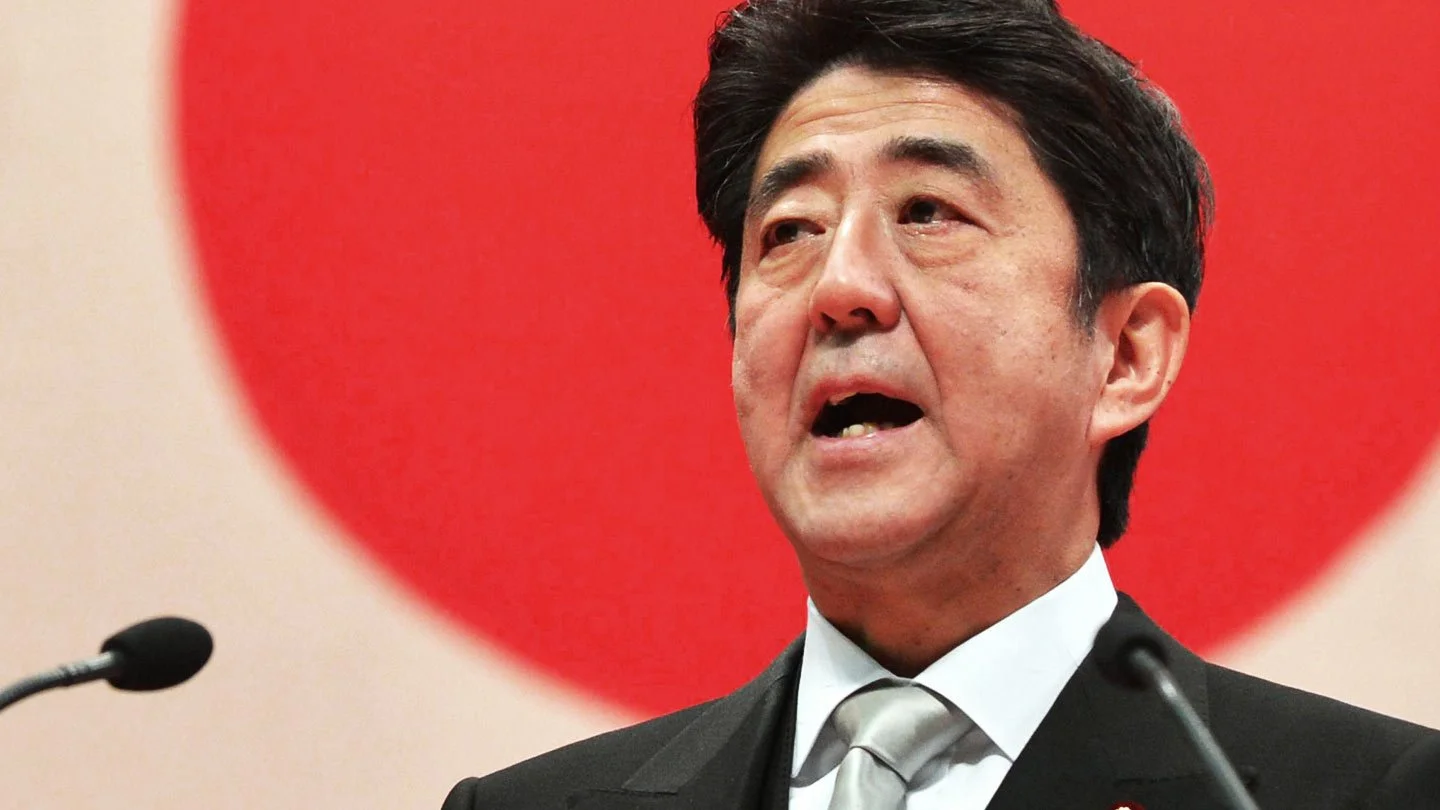
The Politics of Nostalgia
The provided blog post argues that "Abeism" is a dangerous political ideology rooted in a romanticized, militaristic past and a "death worship." The author contrasts this nostalgic yearning among a powerful Japanese elite with the pacifism of post-war Germany and the lived reality of ordinary people, like their father-in-law, who experienced the true brutality of war.
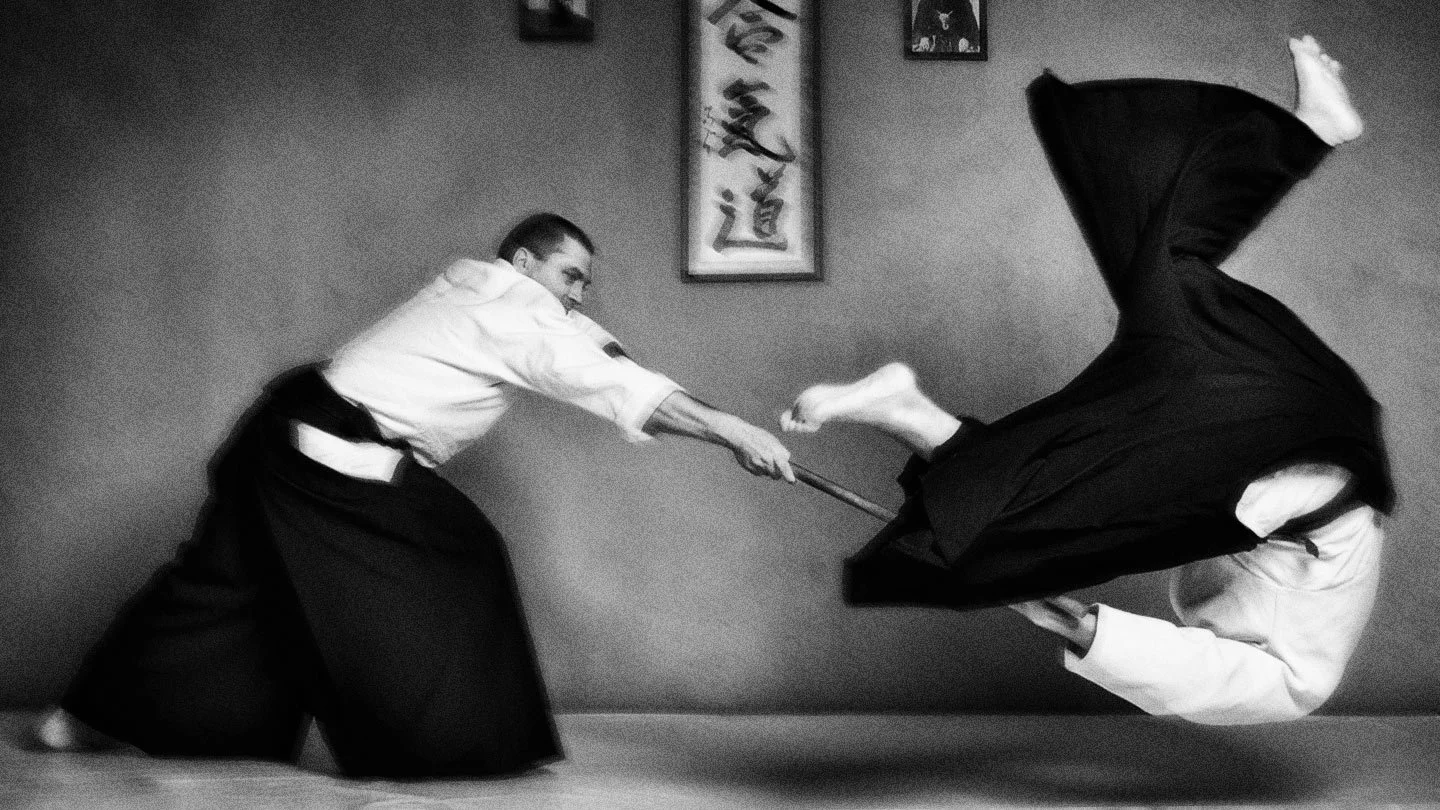
Aikido: More Than a Sport, It's a Way of Life
Aikido is presented not as a sport, but as a discipline focused on self-improvement and mental mastery. It uses physical training and repetition to teach concentration, emotional control, and a sense of calm that can be applied to navigate the chaos of modern life.

The Outsider Who Challenged a Corporate Giant
Michael Woodford, an "outsider" president at Olympus, exposed a decades-long financial fraud. Facing humiliation and resistance from the company's "old guard," his fight was driven by personal pride and a sense of duty. The scandal revealed a clash between Western individualism and Japan's feudal corporate culture, where loyalty and face-saving took precedence over transparency.
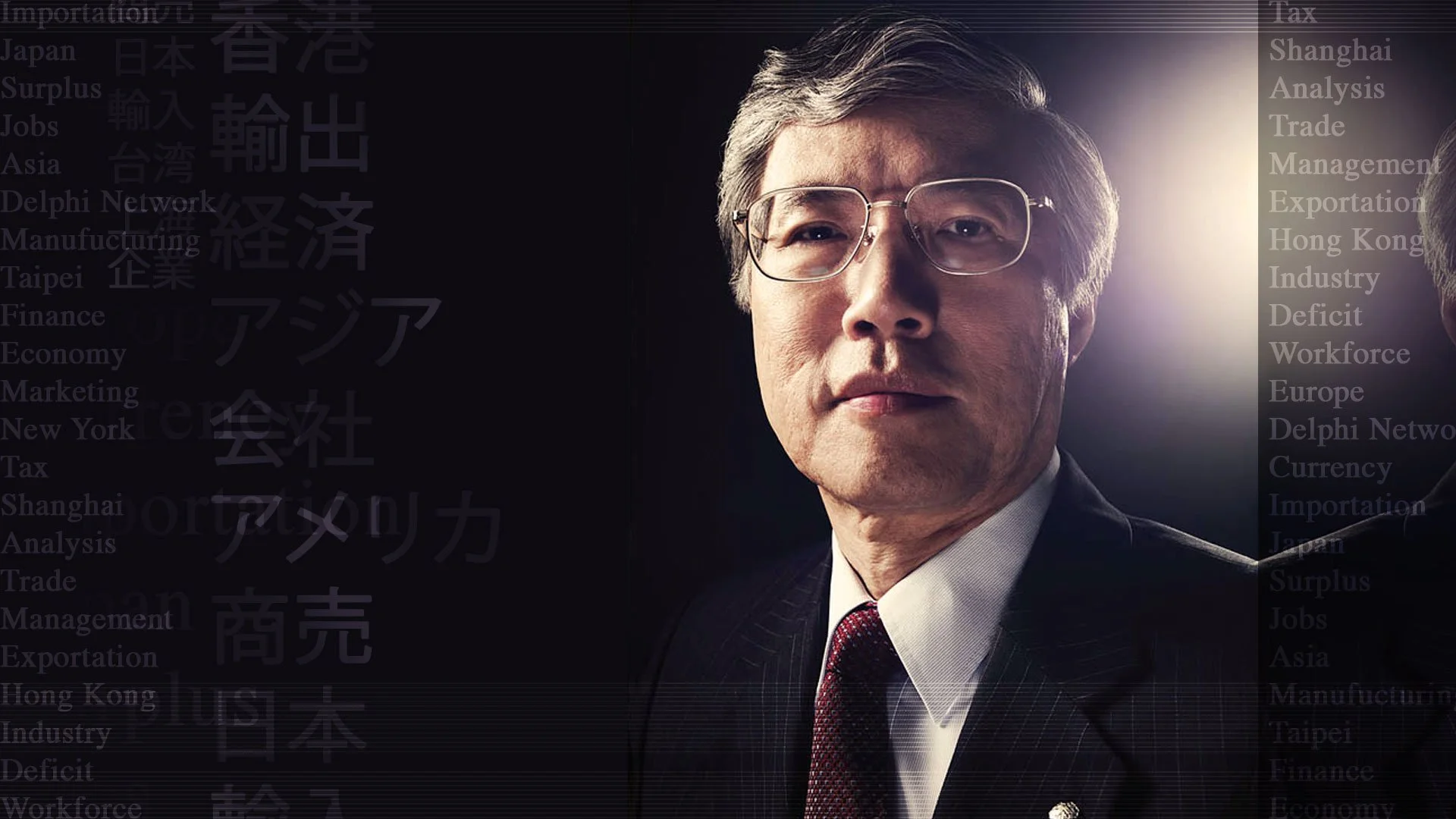
Thinking Smarter: The Insights of Richard Koo
At a recent seminar, heterodox economist Richard Koo challenged the mainstream view of a broken Japanese economy, arguing its fiscal stimulus was a necessary and successful intervention. His most radical stance is that Quantitative Easing (QE) is useless, warning of a QE trap. He firmly believes in prioritizing fiscal policy over monetary policy, basing his conclusions on data rather than ideology.

What Would Orwell Say About Today’s Surveillance?
Today's surveillance, unlike the state-enforced kind in Orwell's 1984, is driven by private companies. People willingly trade privacy for convenience, creating a "Panopticon" we all participate in. The article argues this new form of social control is even more frightening, as we're marching into it ourselves.

Japan's Sexless Society: A Preview of the Future?
Japan's supposedly declining sex drive is not a cultural failure but a glimpse into the future for other developed nations. The internet has made sex and pornography so ubiquitous that sex has lost its traditional value as a symbol of status and achievement, instead becoming a form of entertainment.

Abe’s “Third Arrow”: Not What Margaret Thatcher Had in Mind
Based on Professor Takeo Hoshi's analysis, Abenomics's "Third Arrow" is a government-led industrial policy, not the deregulation push it's often portrayed as. Its vague goals and lack of concrete metrics distinguish it from Margaret Thatcher's privatization-focused approach, and it appears to prioritize national power over the well-being of individual citizens.

The Digital Boot: Why Our Online "Convenience" Paves the Way for Total Control
Internet giants are tightening their grip, turning convenience into voluntary surrender of liberty. Tech companiesgather immense data, potentially leading to mindless dependency and even government surveillance. This alliancethreatens personal freedom and could result in a future where corporations wield totalitarian power, making us, the users, paradoxically dumber.
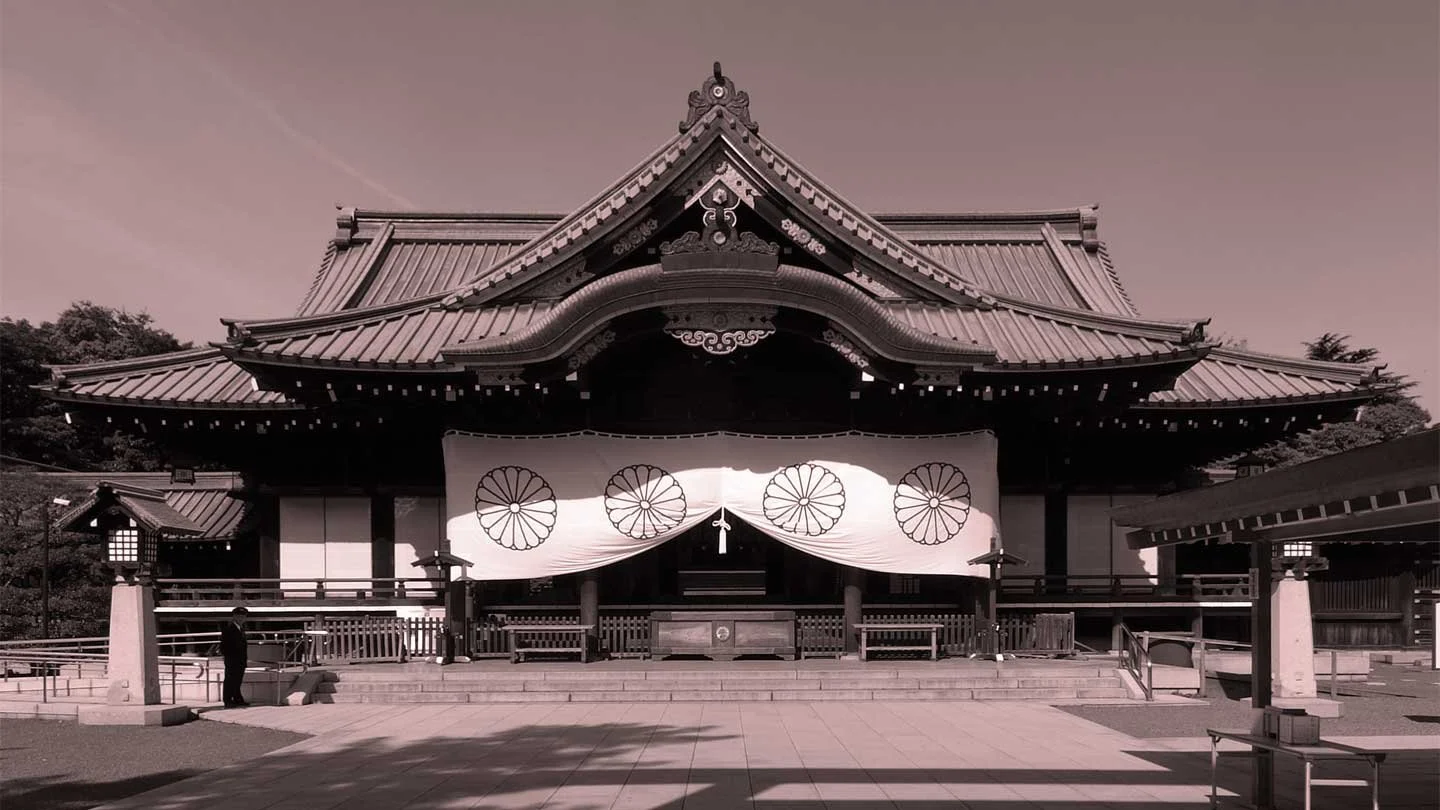
The Ambiguity of Justice: Rethinking Japan's War Guilt
The Yasukuni Shrine sparks contention, notably due to enshrined war criminals like Hideki Tojo. The Tokyo War Trials had ambiguities; convictions were often based on vague charges, and figures like Emperor Hirohito were never prosecuted. Some involved in Unit 731 even gained immunity. Despite these complexities, Japan benefited immensely from its post-war "Peace Constitution," becoming "the luckiest nation." Abandoning this advantageous pacifist role for global conflicts would be "lunacy." The Tokyo Trials' legacy shapes Japan's present and future.
Japan's Unique Strength: A Vision Beyond Conventional Norms
The recent steep fall in the stock market is, to me, merely a symptom of a deeper malaise, reflecting the inadequacies of Japan's elite. Japan's current leaders aspire to make the nation "normal," yet they stubbornly employ outdated and discredited methods. This approach fundamentally ignores the fact that Japan's Uniqueness is precisely what makes it exceptional and resilient. Indeed, the current state of so-called 'normal' nations hardly serves as an appealing benchmark.