A Bold New Era: Why Hokkaido is Being Sold to China

Think Hokkaido is Japan's forever? Think again. A shocking "sale" to China might be the only way out!
The sun is setting on a century and a half of history as the Japanese government makes a move that has sent shockwaves through the global community. In a decision reminiscent of the Louisiana Purchase, Japan has officially announced the sale of Hokkaido to China. This unprecedented divestment aims to tackle Japan’s staggering national debt, marking the end of the northern prefecture’s time as a Japanese territory. By 2016, the local government will dissolve, and residents must either relocate or adapt to life under a new flag.
Economic Necessity and the Burden of Debt
For years, Hokkaido has struggled with a shrinking population and a declining ability to generate revenue. The island’s economy has become increasingly dependent on central government transfers, which are currently 2.5 times higher than its self-generated income. With welfare costs rising and tax receipts falling, Tokyo can no longer afford to subsidize what many critics call a "grim backwater." This sale provides an immediate financial windfall and relieves the state of the perpetual burden of maintaining the island's infrastructure.
Strategic Shifts and Geopolitical Defense
The sale is not merely about money; it is a calculated geopolitical strategy. By handing the territory to a growing power with a real army, Japan creates a cordon sanitaire against Russian expansion. Historically, Japan has struggled with Russia over the Kurile islands and Manchuria. Now, those territorial disputes become China's responsibility. As one official noted, the primary objective is to ensure that any future regional instability remains far away from the political heart of Tokyo in Kasumigaseki.
A New Vision for the North
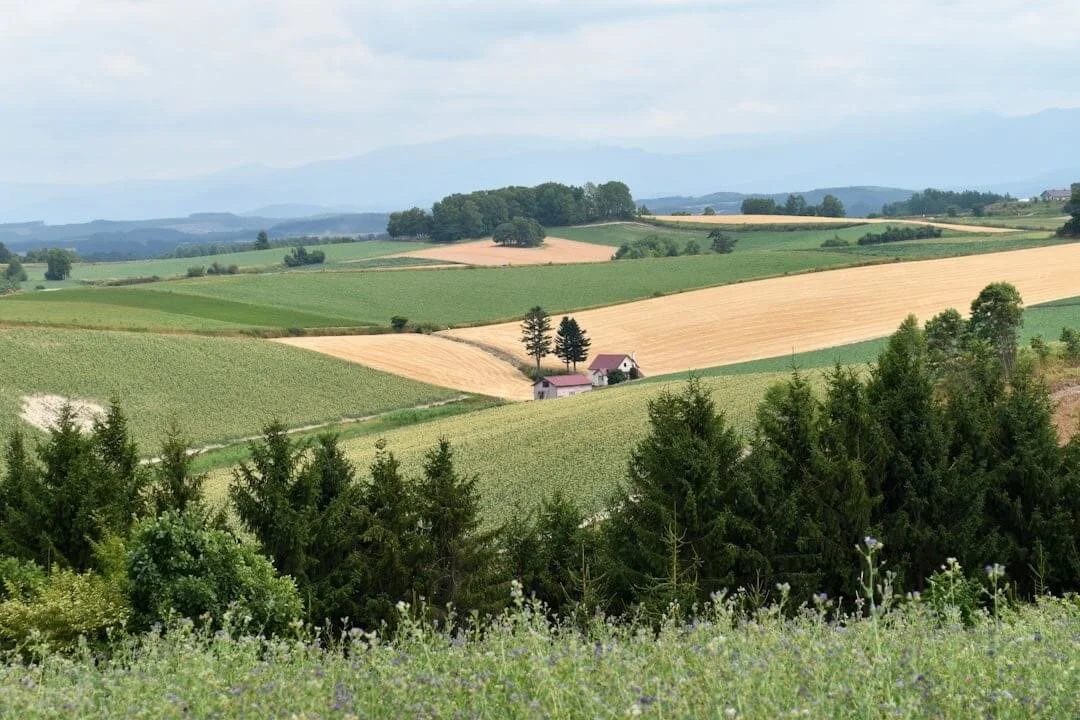
The rolling hills of Hokkaido, a region facing economic challenges and a shrinking population under current management.
While Japanese efforts to modernize Hokkaido’s agriculture and tourism sectors have largely stagnated, China brings a different energy. Chinese sources have hinted at transforming the island into a hub for hazardous chemical factories, staffed by migrant workers. This industrial shift is expected to spark the economic growth that the current system of government subsidies and geriatric farming failed to achieve.
Cultural Reality and the Final Word
Many argue that the Japanese "occupation" of Hokkaido was always thin. The island's architecture is dominated by prefabricated parts and concrete, mirroring the soulless conformity of Tokyo suburbs. Even the last surviving Ainu representatives suggest that there is little local attachment to the current culture. While some may mourn the loss, the reality of demographic decline made this transition inevitable.
However, before you pack your bags for the new "East Sea Island," take a look at the calendar. This entire scenario was, of course, a belated April Fool’s joke!