Drinking at the Old Bar
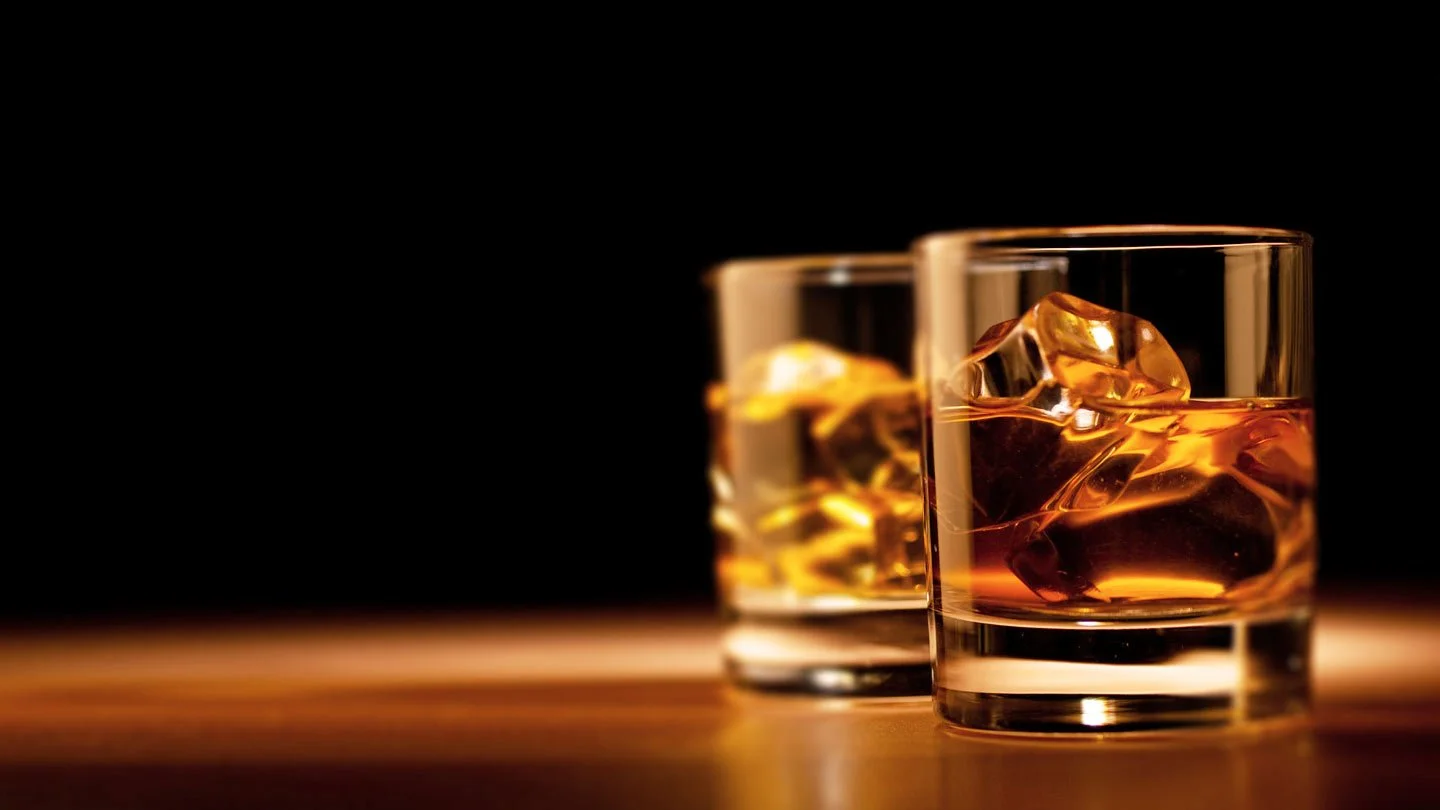
A short story about the paradoxical experience of drinking whiskey: a mix of sensory clarity and mental fuzziness, followed by a sobering hangover.
A Night at the Imperial Hotel's Old Bar and the Surprising Clarity Found in Fuzziness
It’s been over a year since I significantly cut back on alcohol. My reasons were simple: boosting my productivity and managing my weight. While I’ve found that a complete ban can make life rather dull, my recent moderation has made the occasional drink a more profound experience. This was certainly the case after a wonderful event at the Imperial Hotel, where the topic of corporate culture at Starbucks led me to ponder the effects of alcohol—a natural progression, it seems, from coffee to something a little stronger.
My destination for this contemplation was the Old Bar at the Imperial Hotel. I cannot recommend this place enough. It’s a quiet haven, frequented more by Japanese patrons than Western tourists, but it offers a genuinely classic atmosphere. The service is impeccable, delivered by serious and attentive male waiters. There’s no music, just a clubby, quiet air that’s perfect for middle-aged men to discuss business. It’s a place where you sense the drinks are having their desired effect, but nobody is ever overly drunk. The polite, affable atmosphere is a testament to the setting. On this particular night, I ordered the bar’s signature house whiskey. Because of my recent abstinence, the effects came on quickly and were fascinating.
As I walked from the Old Bar, I was struck by a powerful sense of clarity. The Imperial’s grand, gloomy lobby, a space I know well, looked different—more vivid, almost exciting. I noticed things I hadn’t before: dashing, well-dressed, noisy young Indian guests; Chinese tourists maneuvering their luggage; and senior Japanese salary men quietly joining their friends for a nightcap. It was a visual awakening. Yet, simultaneously, I felt a comfortable, mental fuzziness. The usual anxieties—the endless list of meetings, the tasks yet to be crossed off—simply melted away. I was completely focused on the present moment, a feeling akin to Zen Buddhism, though my version was surely acquired with less discipline. While I knew a throbbing headache would be my punishment in the morning, the feeling was worthwhile.
Unable to resist, I made a stop at the hotel's lobby bar. It’s a huge, comfortable space with well-spaced tables. Finding the non-smoking section almost empty, I decided on a slice of blueberry pie and coffee. After a serious consultation with the waiter, I was convinced to order a double measure of smoky Bowmore. It had been 20 years since I’d had whiskey, and this was an excellent reintroduction. At a nearby table, a German businessman flirted heavily with his Chinese colleague, his "fat fingers" wandering as she patiently quizzed him on the complexities of their company's convertible bond issuance. I was equally impressed by her intellectual curiosity and her remarkable patience.
The whiskey, pie, and coffee were all excellent, but it was time to head home. The freezing air and long bicycle ride helped to sober me up. But the following morning, the familiar, deeply unpleasant throb in my temples served as a stark reminder. Anything that makes you feel this ill cannot be good for you, no matter how good you felt while drinking it. It's a simple, undeniable truth. And with that, I knew my dalliance with whiskey would be on pause for a while. The experience was a paradox—a journey from external clarity to internal peace, culminating in the painful clarity of the next morning's hangover. But it was a journey I don't regret. The Imperial Hotel, in its silent, elegant way, offered more than just a drink; it offered a temporary escape, a moment of presence, and a powerful lesson in the simple consequences of indulgence.